



NextShapes 405nm LCD/DLP Flexible 3D Resin: High Elasticity, Tear Resistance, Ideal for Rubber-like Prototyping
 2026.04.22
  NextShapes,Flexible,3D Printing
  <1 minute


The Flexible Resin in NextShapes' 405nm photopolymer material library helps engineers and manufacturers quickly create industrial-grade prototypes and end-use parts with elastomeric properties. NextShapes Flexible Resin is a high-flexibility, high-strength photopolymer designed specifically for LCD/DLP 3D printers, ideal for applications that require repeated bending, pressing, and compression.
This material combines rubber-like high elasticity with excellent tear resistance, able to withstand repeated bending, pressing, and compression without permanent deformation, making it an ideal choice for any application requiring flexible cushioning, shock absorption, or elastic recovery. LCD 3D printing technology users can incorporate Flexible Resin into their material list for creating flexible connectors, seals, rubber-like grips, compressible buttons, and elastic prototypes in consumer goods.


Read More >
Typical Applications of Rubber-like Flexible Materials
In the automotive parts industry, engineers need to make cushions or wire harness clips that can repeatedly withstand vibration and compression. Traditionally, these parts are often molded with silicone or rubber, which involves high mold costs and long lead times. When design modifications are frequent, flexible 3D printing offers a rapid-response solution. Using Flexible Resin to directly print cushioning parts for the final product allows for low-cost, low-waste small batch production.
The high toughness and tear resistance of Flexible Resin also make it an ideal material for protective shells of consumer electronics or wearable device straps. For example, a brand designing charging straps for smart wearable devices needs the straps to securely fit the device while enduring repeated daily bending and pulling. With Flexible Resin, they can print the entire strap in one piece, eliminating the need for joining multiple materials, leading to a more streamlined design and a more reliable wearing experience. This shift from molding to direct 3D printed components is redefining rapid manufacturing.
In product development and prototyping, designers often need to simulate soft-touch grips, anti-slip foot pads, or pressure-feedback buttons. These parts were typically produced using silicone molding or outsourced CNC machining, which is time-consuming and expensive, especially when multiple hardness or color variations need to be tested. By using Flexible Resin internally to directly print customized flexible prototypes, design teams can iterate quickly, significantly shortening development cycles and reducing validation costs. This makes it a superior choice for 3D printing for product design, where speed and material accuracy are critical.
High-Performance, Multifunctional Material
Different photopolymer resins are optimized for specific engineering needs. Below, we compare Flexible Resin to other common types of resins on the market.
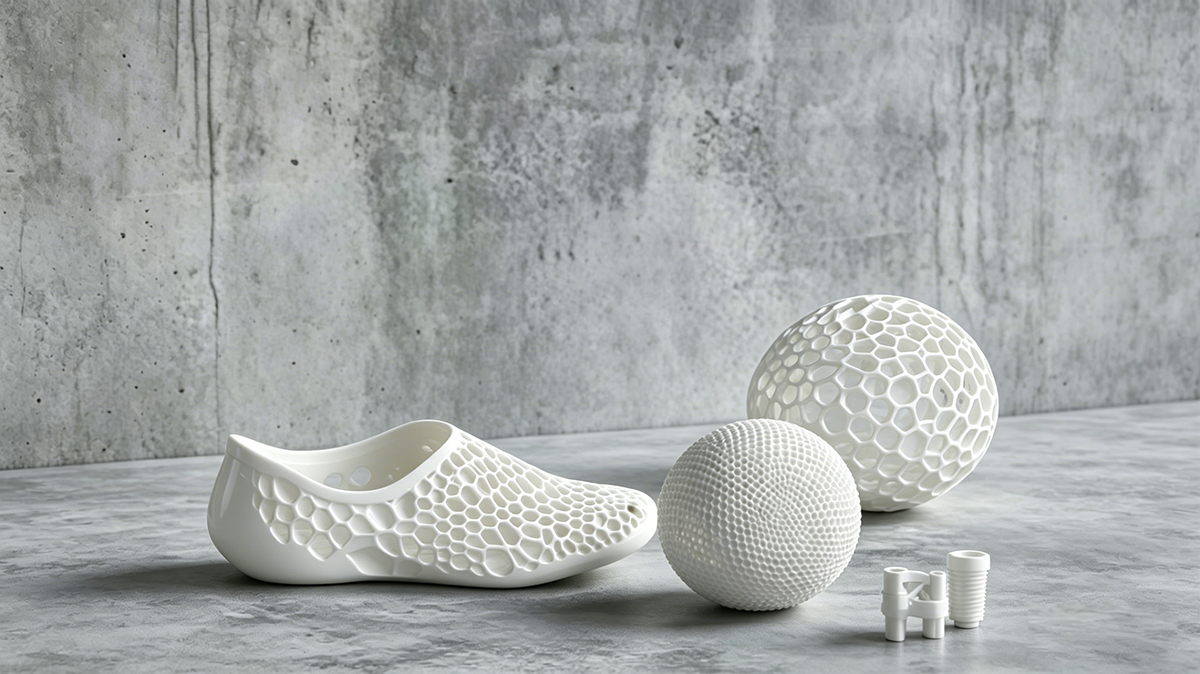
Flexible Resin has significantly higher elongation at break and tear strength than standard low-end flexible resins, which tend to develop microcracks or permanent deformation after repeated bending. At the same time, Flexible Resin has better rebound properties than conventional rigid resins—rigid resins typically lack elastic recovery and cannot be used for pressing or bending applications. Unlike traditional silicone molding or rubber injection molding, Flexible Resin does not require molds and can be directly printed, greatly shortening delivery times in small-batch production.
When parts need to withstand repeated bending, pressing, or stretching without failure, Flexible 3D resin is the preferred choice due to its balance of high elasticity and high toughness. Flexible seals, compressible buttons, rubber-like grips, cushioning foot pads, and elastic clips are all products that will benefit from the high flexibility and strength combination of this material.
Outstanding Tear Resistance and Repeated Loading Stability
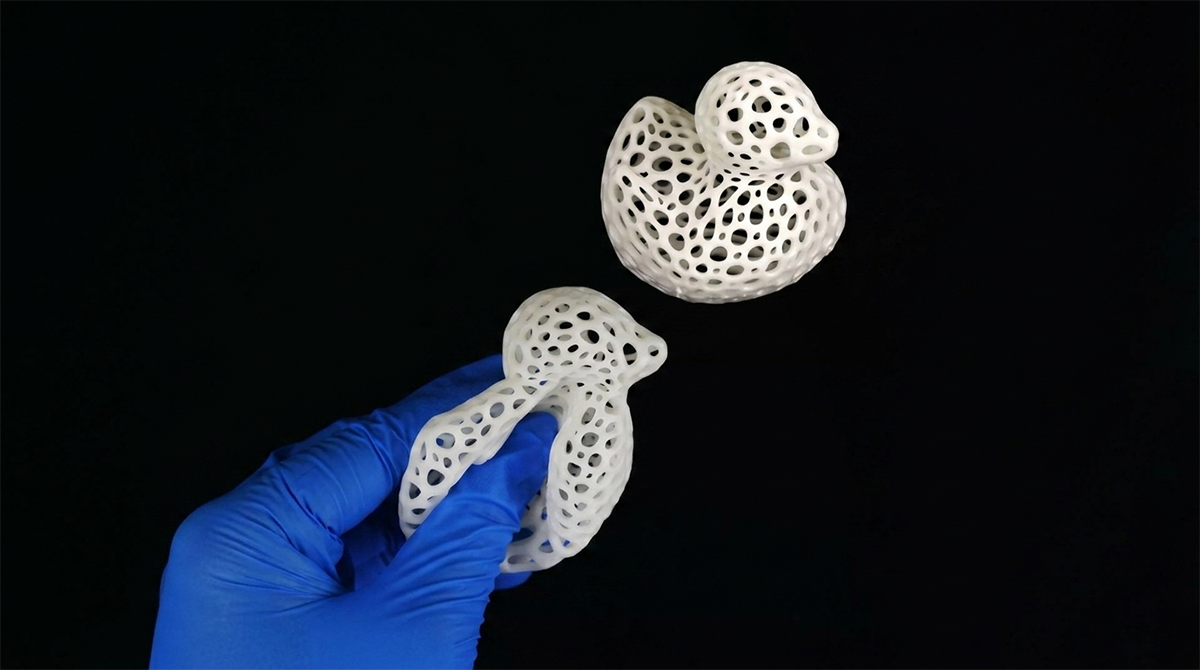
One of the core advantages of Flexible Resin is its excellent tear resistance. In long-term use scenarios involving repeated bending, pressing, and compression, standard flexible materials tend to develop microcracks in stress concentration areas that gradually expand, eventually causing part failure. Flexible Resin significantly enhances the ability to resist crack initiation and propagation through molecular-level crosslinking network optimization.
This feature makes Flexible Resin particularly suitable for applications that need to withstand dynamic cyclic loads, such as buckles that open and close repeatedly, buttons that are pressed frequently, and flexible hinges that need to bend millions of times without breaking. In actual testing, samples printed with Flexible Resin maintained their structural integrity and stable elastic recovery after numerous cycles, providing users with long-term, reliable flexible component solutions.
Enhancing Production Flexibility with Flexible Resin
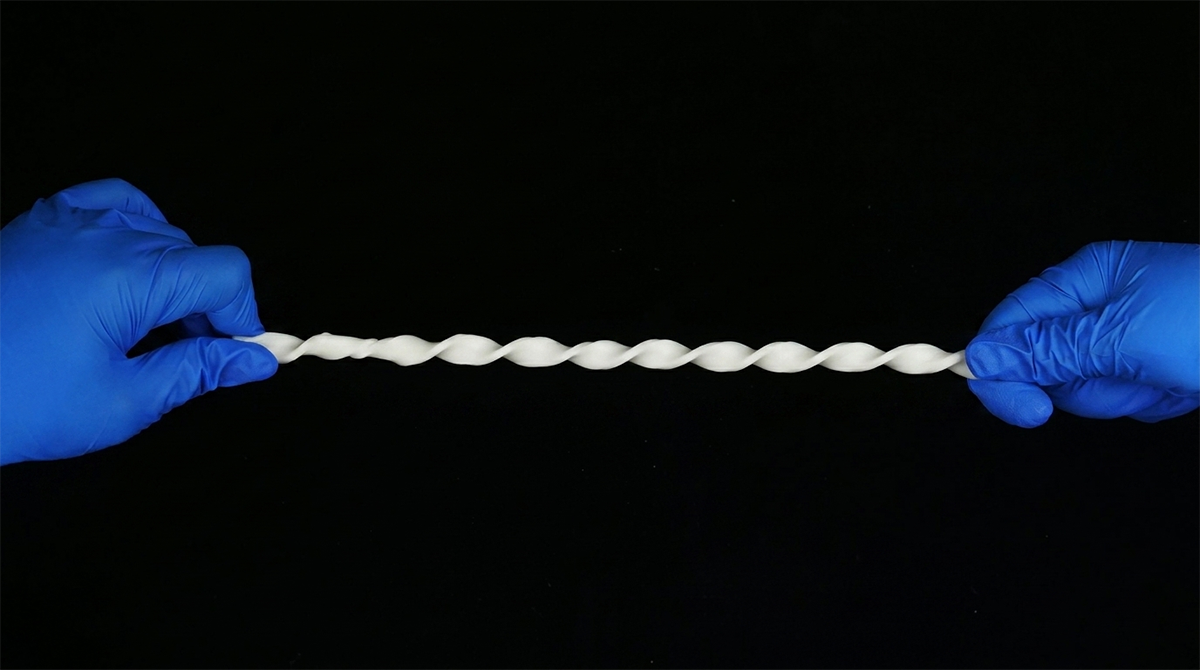
In the past, rubber-like photopolymer materials were often limited to professional-grade DLP equipment or expensive industrial printers, making it difficult for small and medium-sized enterprises to access truly high-elasticity, tear-resistant flexible resins. With NextShapes Flexible Resin, engineers and product designers can quickly iterate and produce functional prototypes that closely resemble real rubber touch and elastic behavior on standard LCD/DLP printers.
Flexible Resin allows NextShapes' photopolymer material library to help developers better control the entire process from design verification to small-batch production, expanding manufacturing capabilities in industries such as consumer goods, automotive, electronics, and wearables. With its outstanding elongation at break and rebound properties, more applications requiring rubber-like characteristics are now accessible to LCD/DLP users.
We invite you to evaluate whether this material meets your production needs. Please feel free to contact our team for more information.