


What Is the Future of PETG HF Filament? Here’s What NextShapes Thinks
 2026.05.20
  NextShapes,PETG HF,3D Printing
  <1 minute


When searching for an easy-to-use 3D printing material with excellent mechanical performance, NextShapes PETG HF filament offers an outstanding solution for makers, designers, and professionals alike. Through an upgraded formulation and precision manufacturing process, it achieves an impressive balance of strength, toughness, and effortless printability. So, how does NextShapes PETG HF stand out in the world of PETG filament for 3D printing?
The core competitiveness of NextShapes PETG HF filament lies in three key technological advantages. It maintains high strength and toughness while delivering low warping and an almost odor-free printing experience, allowing creators to focus more on design instead of troubleshooting during 3D printing.
1. Specialized High-Flow Formulation
Optimized for high-speed 3D printing, the advanced formulation significantly reduces extrusion back pressure and supports higher volumetric flow rates without sacrificing print precision. It also effectively minimizes nozzle buildup, stringing, and oozing issues, helping users produce cleaner 3D printed models.
2. Precision Filament Diameter Control
During manufacturing, advanced online diameter monitoring systems ensure tight dimensional accuracy, maintaining a filament tolerance of 1.75 mm ± 0.02 mm. This provides a solid foundation for stable feeding and precise extrusion, especially important for reliable PETG filament for 3D printing applications.
3. Neat Spooling and Stable Raw Materials
The filament is evenly wound to prevent tangling, greatly reducing print interruptions caused by knots or spool jams. Each spool is made from premium eco-friendly raw materials to ensure consistent melt behavior, strong layer adhesion, and stable mechanical properties. This consistency helps users create durable 3D printed parts with confidence.
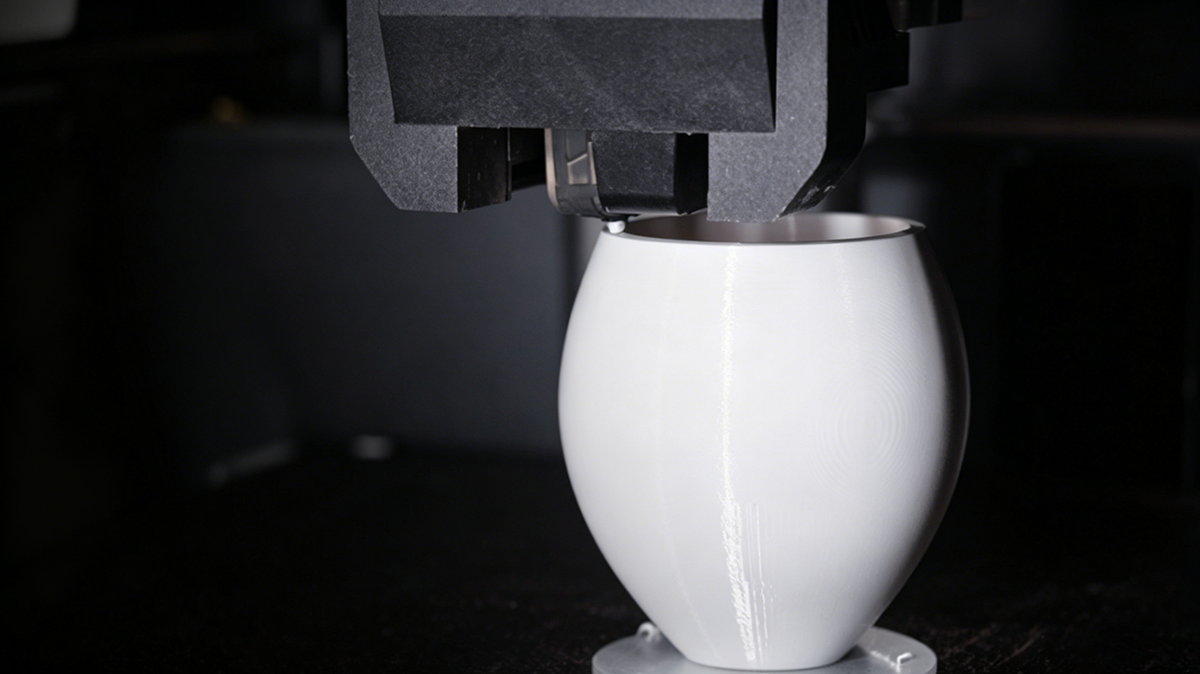
NextShapes PETG HF filament is designed for users who demand both efficiency and quality. It not only improves print success rates but also supports high-speed production, making it ideal for rapid prototyping, functional parts, and batch manufacturing in modern 3D printing workflows.
1. Hassle-Free Preparation
The neatly wound filament is compatible with most 3D printers on the market. Users simply load the filament, set an appropriate printing temperature (typically 220–250°C), and begin printing.
2. Stable Printing Performance
Its excellent flowability makes the material easy to shape and resistant to warping. When paired with high-speed 3D printers, inner wall printing speeds can reach up to 300 mm/s, significantly improving production efficiency for large-scale 3D printed projects.
3. Strong Layer Bonding
Each extruded layer forms a high-strength bond with the previous one, creating a dense and durable structure that resists delamination and ensures long-lasting performance for engineering and educational applications.
4. Reliable Post-Processing and Practical Use
Finished prints feature water resistance, weather resistance, and excellent dimensional stability, making them suitable for functional testing, creative home projects, and 3D printing for education environments where reliability and ease of use are essential.
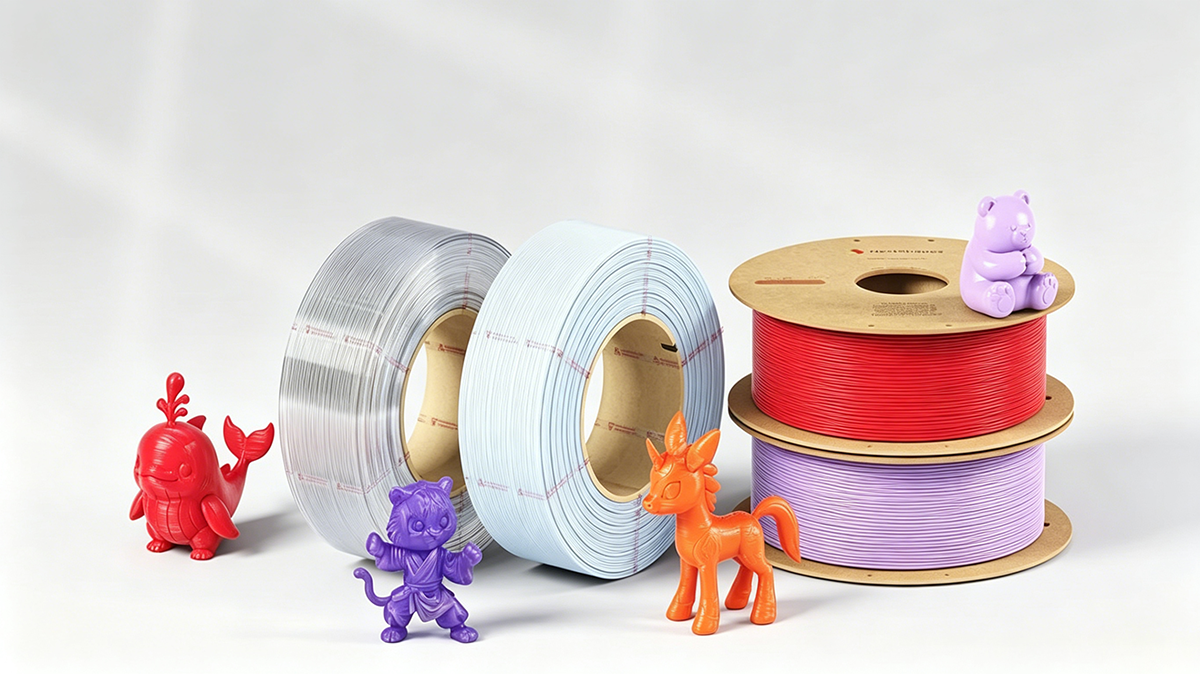
With its all-around stability and reliability, NextShapes PETG HF filament has become a dependable choice for education, home creativity, prototype development, and industrial applications. Rather than chasing extreme performance at the expense of usability, it strikes an ideal balance among mechanical strength, printing efficiency, and operational convenience, making it a trusted PETG filament for 3D printing professionals and enthusiasts can rely on.