


From Shoe Molds to Head Sculptures: How Users Achieve High-Detail Printing with NextShapes 405 nm 3D Resin
 2026.04.09
  NextShapes,ABS Like Pro,3D Printing
  <1 minute


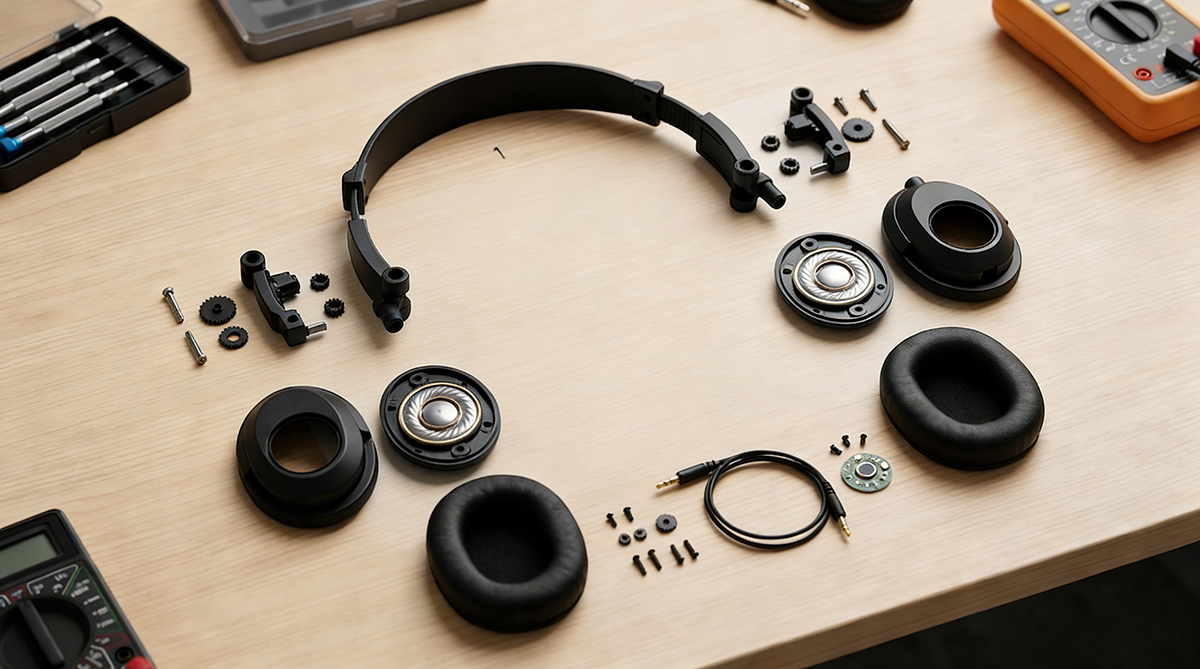
Traditionally, the development and small-batch production of over-ear headphones have relied heavily on injection molding or CNC machining. From prototype validation to functional testing, the process often takes weeks and incurs mold costs of tens of thousands of yuan. This is especially true for intricate components such as snap-fit structures and threaded screw bosses—any modification requires remaking the mold. With the rise of 3D Printing, companies now have a faster alternative.
A startup focused on high-end audio equipment once found itself stuck in this dilemma. While developing a lightweight, adjustable over-ear headphone, their engineering team struggled to balance enclosure toughness, snap-fit fatigue life, and screw boss strength. It wasn’t until they introduced nextshapes’ 405 nm LCD/DLP 3d resin material, ABS Like Pro, that they found a truly agile path from prototyping to small-batch production using lcd 3d printing technology.
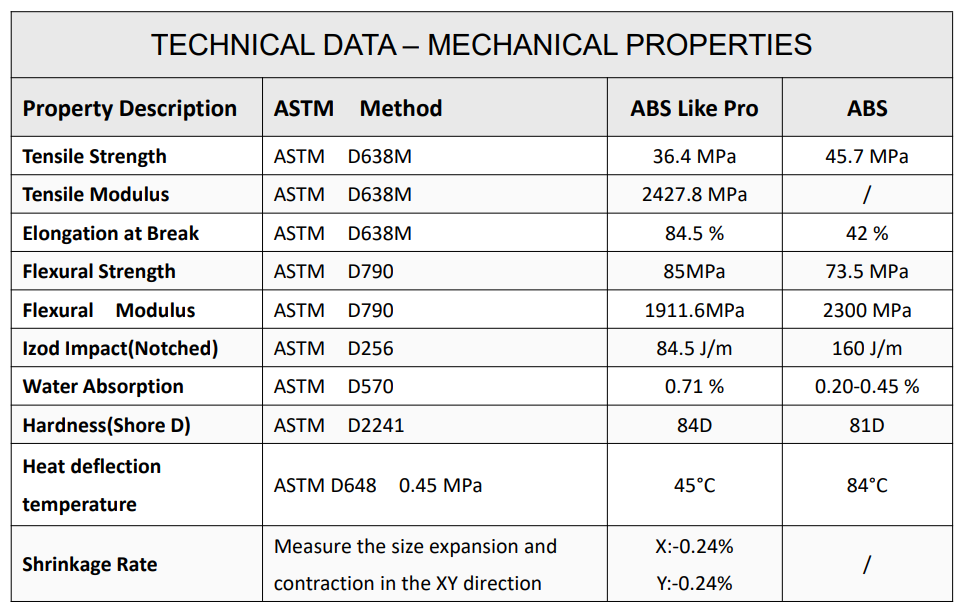
ABS Like Pro is a black engineering photopolymer with ABS-like mechanical properties: high toughness, high strength, and excellent resistance to bending and impact. It is also easy to clean and supports drilling and tapping. This makes it particularly suitable for manufacturing functional assembly parts, prototype enclosures, snap-fit components, jigs, and fixtures. The headphone company quickly integrated nextshapes’ ABS Like Pro into its internal workflow for 3D print production of core components.
Building Better Over-Ear Headphones

For small audio brands with limited budgets, every design iteration must be carefully managed. In the past, adjusting the tolerance of a headband clip required waiting up to two weeks for outsourced injection-molded samples. Now, using nextshapes’ ABS Like Pro compatible with 405 nm LCD/DLP printers, engineers can rely on 3D Printing for product design to print multiple clip variants within a single day and immediately perform assembly and fatigue testing.
The company’s engineering director explained:
“We can test five to six different tolerance designs every day. Over a week, a single printer can produce more than 30 structural variations. Without high-quality engineering resins, this would be impossible. Injection molds are too expensive, and each modification takes three weeks. With nextshapes ABS Like Pro and lcd 3d printing technology, we can finally treat headphone development as a rapid, iterative consumer product process.”
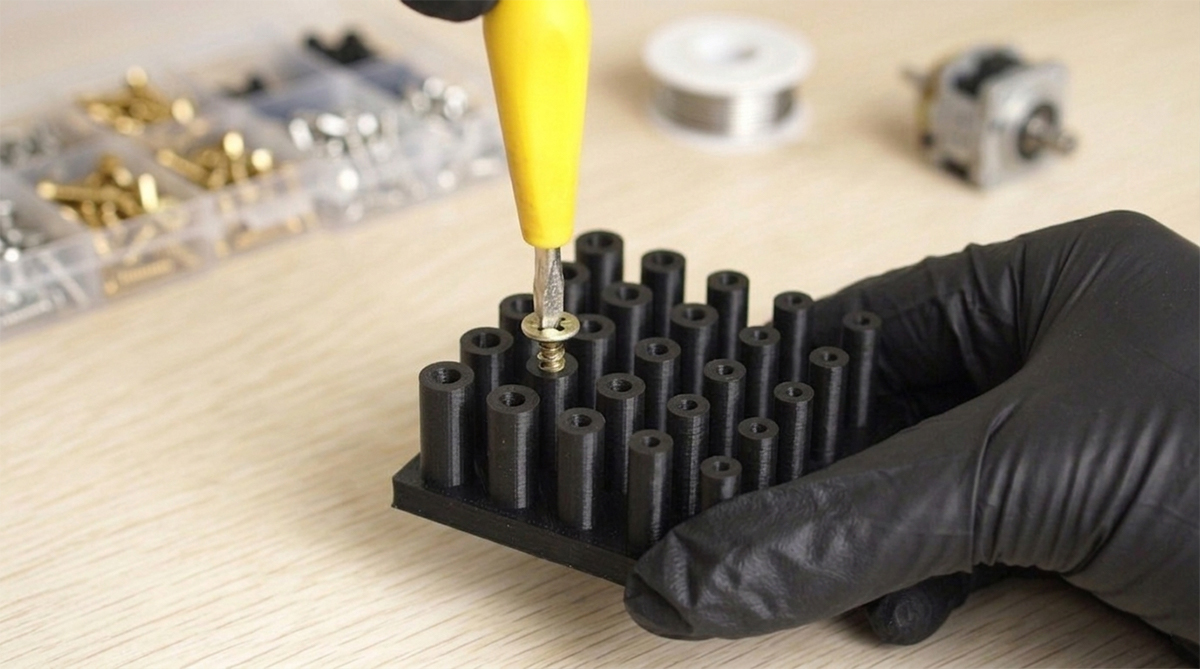
He noted that the material’s toughness is especially impressive. While standard rigid resins tend to crack under bending, this advanced 3d resin withstands repeated flexing of the headband and accidental drops. It also supports post-processing such as drilling and tapping, allowing assembly screws to be directly machined into printed parts without embedded nuts.
“We built a small in-house impact testing rig to evaluate each iteration. Customers often ask how many times the snap-fit can be used, so we established a validation process, including 5,000 open-close cycles. ABS Like Pro showed no fractures or plastic deformation throughout—something we could not achieve with traditional 3D print materials before.”
Scaling to End-Use Part Production
As the headphone design matured, the company began directly using 3D Printing to produce final-use components with ABS Like Pro, including earcup housings, headband sliding clips, and pivot mounts. They initially experimented with other brands’ transparent or rigid resins, but those were either too brittle or cracked during drilling. After switching to the black ABS Like Pro, these issues were resolved.
The diversity of materials offered by nextshapes is a major advantage. The engineering director commented:
“Other photopolymer resins either lack toughness or are difficult to clean. ABS Like Pro strikes the perfect balance between strength and flexibility. It can be cleaned easily with standard alcohol, without whitening or sticky residue. For us, it has become the gold standard for functional assembly parts in 3D Printing for product design.”
To achieve better surface quality, the team prints earcup housings at a 45-degree angle to reduce layer lines, followed by light sanding and matte coating. Snap-fit parts and screw bosses are used directly as printed, as the material already provides excellent thread retention—further validating the reliability of this 3d resin.

Currently, the company operates multiple 405 nm LCD/DLP printers running up to 20 hours a day. Every morning, employees receive a batch of ready-to-assemble headphone components produced via lcd 3d printing technology.
3D Printing Jigs and Fixtures
Beyond end-use parts, 3D Printing has proven highly valuable for tooling and testing fixtures. During headphone assembly, precise alignment of screw holes and consistent headband pre-tension are critical. Previously, these relied on metal fixtures with long lead times and high costs. Now, the engineering team designs custom bases and assembly jigs directly from CAD files and uses 3D print workflows to produce them within hours.
The engineering director shared an example:
“We needed a fixture to hold the earcup housing securely for precise drilling and M2 tapping. Since we already have the CAD file, it takes half an hour to design the base, two hours to print, and it’s ready the next day. This level of convenience is impossible with outsourced machining. This is where 3D Printing for product design truly shines.”
They have also printed master molds for silicone ear cushion inserts, as well as custom adapters for torque testers and snap-fit fatigue testing rigs—all using high-performance 3d resin.
“Of course, there are off-the-shelf testing tools, but printing our own is cheaper and perfectly tailored to our product geometry. We even created guiding blocks for our assembly line using lcd 3d printing technology, increasing worker efficiency by 30%.”
Innovation Without Waiting
From initial small-batch trials to fully adopting ABS Like Pro as the standard material for all functional parts, the company has never switched brands. Beyond performance, they value nextshapes’ batch consistency and technical support—critical factors in scaling 3D Printing operations.
The engineering director concluded:
“We tested several other ‘ABS-like’ materials, but their batch-to-batch consistency was poor. nextshapes’ ABS Like Pro delivers stable mechanical properties every time, and their support team helps optimize parameters for lcd 3d printing technology. For a startup, this reliability is critical.”
Since ABS Like Pro is compatible with standard 405 nm LCD/DLP printers, the equipment footprint is small. The company plans to expand production capacity within its existing office space, continuing to scale through 3D print manufacturing.
The over-ear headphones, built using advanced 3d resin, have already been delivered in small batches to audio enthusiasts and reviewers, receiving positive feedback on comfort and durability. Looking ahead, the company aims to push the boundaries of 3D Printing for product design, including customization and functional part innovation.
By integrating high-performance materials into internal workflows, 3D Printing is enabling engineers to remain agile from prototyping to production—truly realizing the vision of “design it today, make it today.”