



High-Speed 3D Printing with PETG Filament: NextShapes PETG HF Accelerates the Realization of Collectible Figure IPs
 2026.03.17
  NextShapes,PETG HF ,3D Printing
  <1 minute


In today’s era of IP-driven economies and thriving pop culture, collectible figures have long transcended the realm of toys—they are carriers of emotion and aesthetics. From conceptual sketches to physical products, creators often face a persistent challenge: how to achieve efficient and stable 3D printing while maintaining high-quality surface finish, so that creativity is no longer “choked” by the limitations of machines and materials.
NextShapes’ PETG filament for 3D printing, PETG HF high-toughness 3D filament, is offering a new solution to this challenge. This material not only boasts excellent toughness and layer adhesion but also supports high-speed printing and is compatible with most FDM 3D printers on the market. This allows both prototype development and small-batch production of collectible figures to flow efficiently on a single platform. With smooth surfaces, rich colors, and user-friendly operation, PETG HF is increasingly becoming the “invisible assistant” for IP teams from design to final product.

Read More >
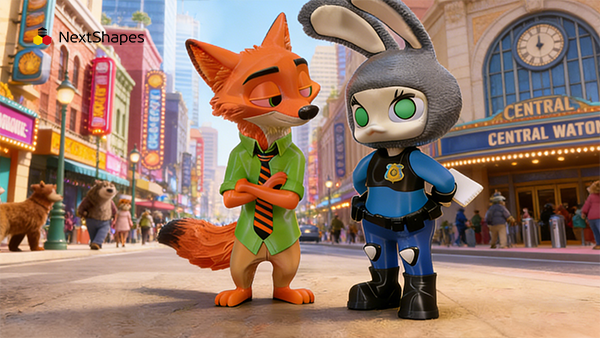
Collectible Figure Studios: The “Speed Key” for Small-Batch Production
A domestic original collectible figure IP studio, focusing on designer toys and anime-related derivatives, once relied heavily on outsourced 3D printing services. Each prototype iteration could take over a week, and the material limitations often caused fine details to break or deform, preventing the true realization of the original design.

“We once produced a poseable figure with movable joints. The outsourced sample’s arm snapped during assembly, and we only had two weeks before the exhibition,” recalls founder Li. “After setting up our own printing line, the next bottleneck became the 3D filament.”
The team then began experimenting with NextShapes PETG HF. They were pleasantly surprised: the material not only supported high-speed 3D printing—reducing print time for a single 6-inch figure by nearly 30%—but also provided extremely strong layer adhesion, keeping even delicate parts like joints and hair intact. “Now we can complete the entire process from prototype verification to small-batch production in-house, at only a third of the cost of outsourcing.”
With improved printing stability, the team even started using PETG HF for final production parts. The smooth surface finish requires almost no post-processing, and color consistency is far superior to standard PLA. “Collector-grade figures demand impeccable surfaces. PETG filament for 3D printing can be colored or assembled directly, saving a lot of sanding time.”
“3D printing allows us to fully control our production pace. NextShapes’ material gives us the confidence to try more complex part designs without worrying about breakage or warping. Now we can focus entirely on the IP itself, rather than battling the equipment.”
— Li, Founder of a collectible figure studio
Today, multiple original IP figures from the studio have been showcased at domestic pop culture exhibitions, with some products already available for pre-order online.

Read More >
Independent Designers: The “Freedom Pen” for Custom Figures
Designer Xiao Chen specializes in creating anime-style figure prototypes for clients ranging from individual collectors to small IP owners and doujin communities. Because every order varies greatly—from chibi-style to realistic proportions, from poseable structures to diorama bases—he needs a material that can flexibly handle different designs while ensuring quick output.
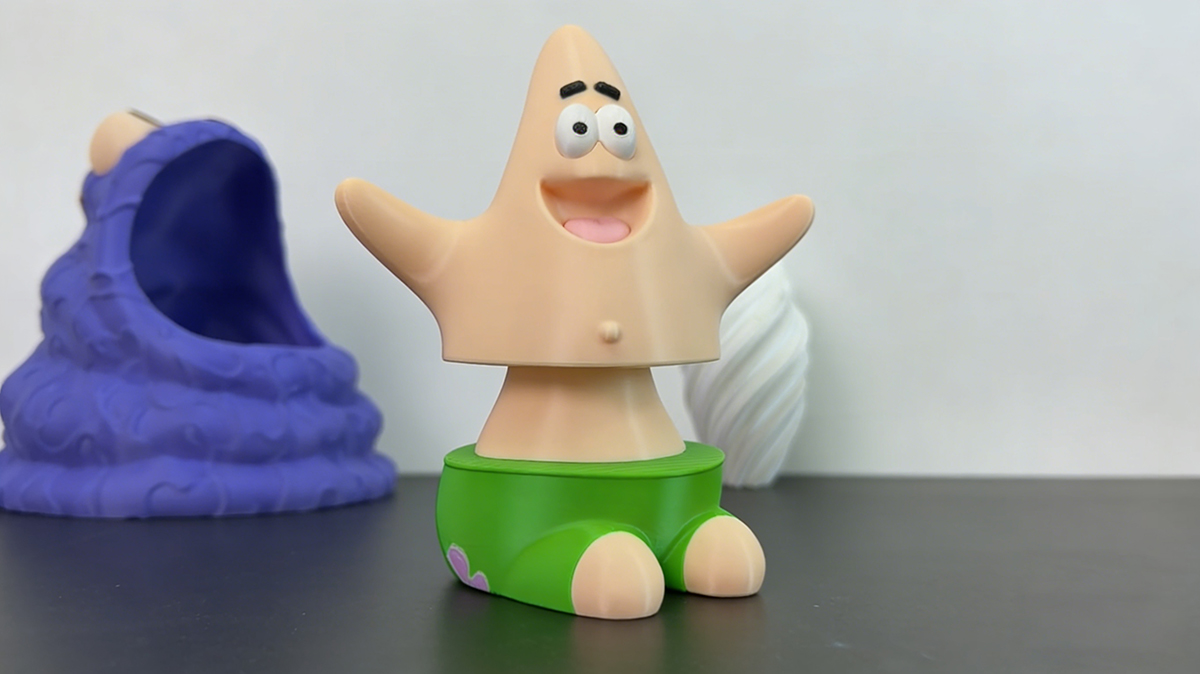
In the past, Xiao Chen often used ABS, which, while strong enough, had drawbacks: strong odor, warping issues, and limited printing speed. “Once, preparing for a doujin exhibition, I had the printer running for three days straight. Two of the bases warped severely and had to be reprinted overnight.”
After switching to NextShapes PETG HF 3D filament, he immediately noticed the relaxed printing experience. High-speed printing was stable with minimal adjustments, and fine details were faithfully reproduced. Most importantly, the material’s toughness allowed him to confidently design clips, pegs, and snap-fit structures without extra reinforcement.
“Recently, I customized a figure with a light-up base for a client. The base had thin internal channels for wiring. With PETG HF, the toughness was enough that I could handle it any way during assembly without cracking.”
What Xiao Chen values most is the material’s “ready-to-print” quality. Whether rushing to meet a morning deadline or making last-minute changes at night, the filament prints reliably, doesn’t clog the nozzle, and requires minimal environmental adjustments, letting him focus fully on design. “Before, materials constrained my designs. Now materials serve the design.”
As his order volume increased, Xiao Chen also began using PETG HF for small-batch finished products. “Collectors demand high-quality surfaces. PETG HF 3D filament is far smoother than ordinary PLA, and with minor polishing, it meets sales standards. Now I can handle everything from prototype to final product with just this one material—no need for multiple 3D filaments in storage.”
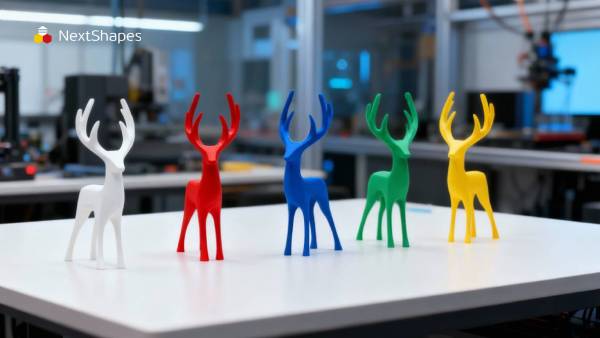
If you are developing collectible figures, designer toys, or IP derivatives, take a look at creators’ workbenches—chances are, that high-speed spinning PETG filament for 3D printing is NextShapes’ gift of creative freedom in action.

Read More >

