



NextShapes High-Performance PLA CF Filament Empowers Outdoor Equipment Upgrades
 2026.03.03
  NextShapes,PLA CF,3D Printing
  <1 minute


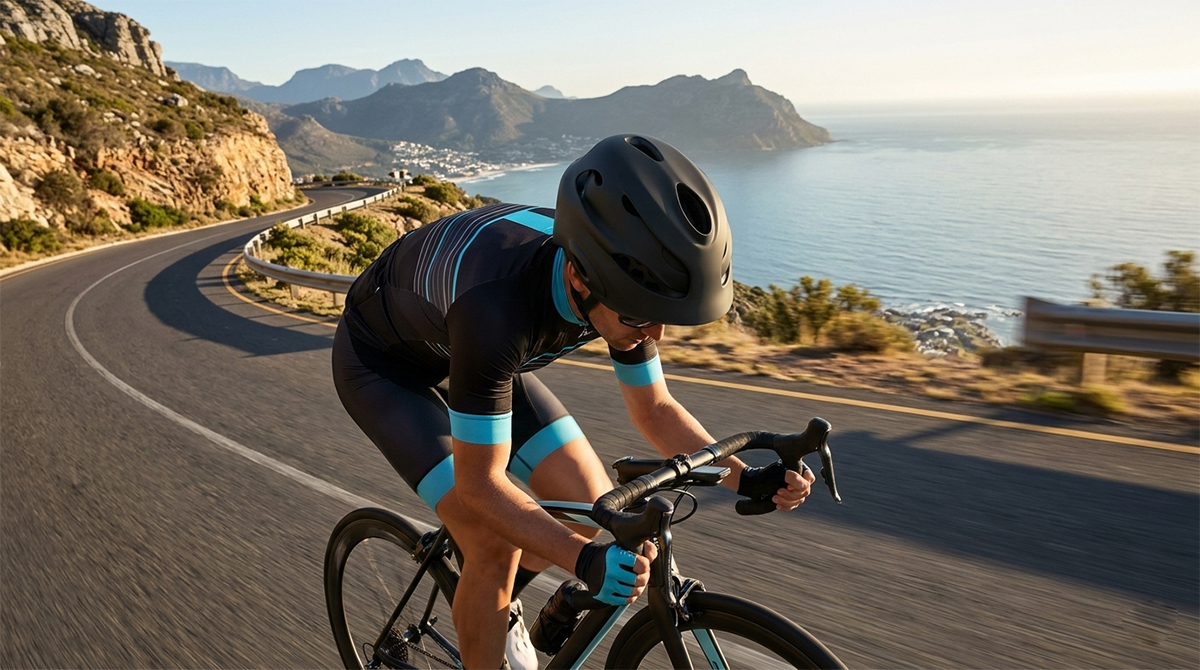
Outdoor sports equipment is as picky about materials as racing car components. It must be lightweight yet structurally rigid, capable of withstanding harsh outdoor environments while maintaining assembly precision and aesthetic quality. NextShapes is a 3D printing materials solution provider, offering products in areas like SLA/DLP/LCD photopolymer resins and FDM 3D printing materials. With an international R&D and innovation team, they have developed dozens of high-performance 3D resins and filaments, widely used in industrial prototypes, film props, collectible figures, automotive applications, and more. Among these, high-transparency, ABS-like toughness, and casting materials have reached a world-leading level.
To better meet the urgent demand for high-performance materials from outdoor equipment brands, NextShapes has launched a carbon fiber-reinforced filament for FDM 3D printing — PLA CF. This material, with a 15% carbon fiber content, offers both high stiffness and ease of printing, helping outdoor equipment manufacturers quickly move from functional prototypes to final components.
With PLA CF, outdoor equipment designers can directly produce carbon fiber-reinforced parts on regular FDM printers without relying on expensive industrial-grade equipment. Previously, functional test parts for outdoor gear often required CNC machining or outsourcing, with delivery times exceeding a week. After the introduction of PLA CF, the time from final design to physical testing can be completed in as little as 24 hours. After in-depth communication with several domestic outdoor gear brands, NextShapes quickly launched PLA CF to address the urgent need for "rigidity and rapid iteration."
The 15% carbon fiber content in PLA CF gives parts excellent bending rigidity, and the matte surface almost hides layer lines, resulting in a consumer-grade appearance. Additionally, it is compatible with most FDM 3D printers, allowing more small and medium-sized enterprises to obtain high-performance parts at a very low cost.
“What surprises me the most is the printing stability and consistency of the PLA CF parts,” says the Technical Director of NextShapes. “When we printed long, thin parts with regular PLA before, they would always warp after cooling. With PLA CF, even large, thin-walled components don’t deform at all. The 15% carbon fiber content is just right – it provides enough rigidity but is not as brittle as higher-content CF materials, and it also has great toughness during post-processing and assembly. The usage of PLA CF by our outdoor gear customers is doubling every month."
NextShapes PLA CF Filament Helps Upgrade Professional Cycling Helmet Performance
Last year, NextShapes collaborated closely with a well-known cycling equipment brand to participate in the development of their 2024 flagship helmet. One of the brand's contracted riders, who performed excellently in several domestic events, wore a helmet with custom parts made using PLA CF.
Here are some of the parts NextShapes produced for this cycling helmet brand:
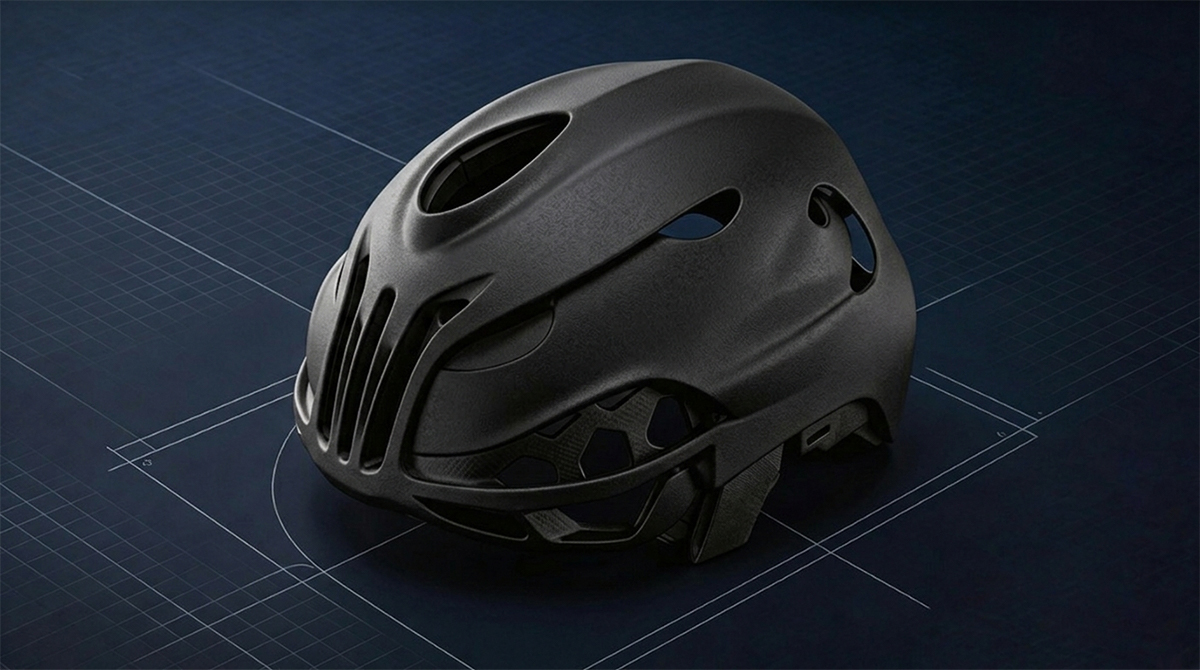
1. Helmet Ventilation Components:
NextShapes' PLA CF was used to produce the internal ventilation ducts of the helmet. These parts need to closely fit with the helmet's EPS foam shell while also securing the retention straps. The customer chose PLA CF because it ensures strict dimensional tolerances, and the carbon fiber reinforcement provides high stiffness, making thin-walled parts resistant to breakage even after repeated adjustments. The 15% carbon fiber content gives the parts a premium matte finish, perfectly blending with the helmet's outer design.
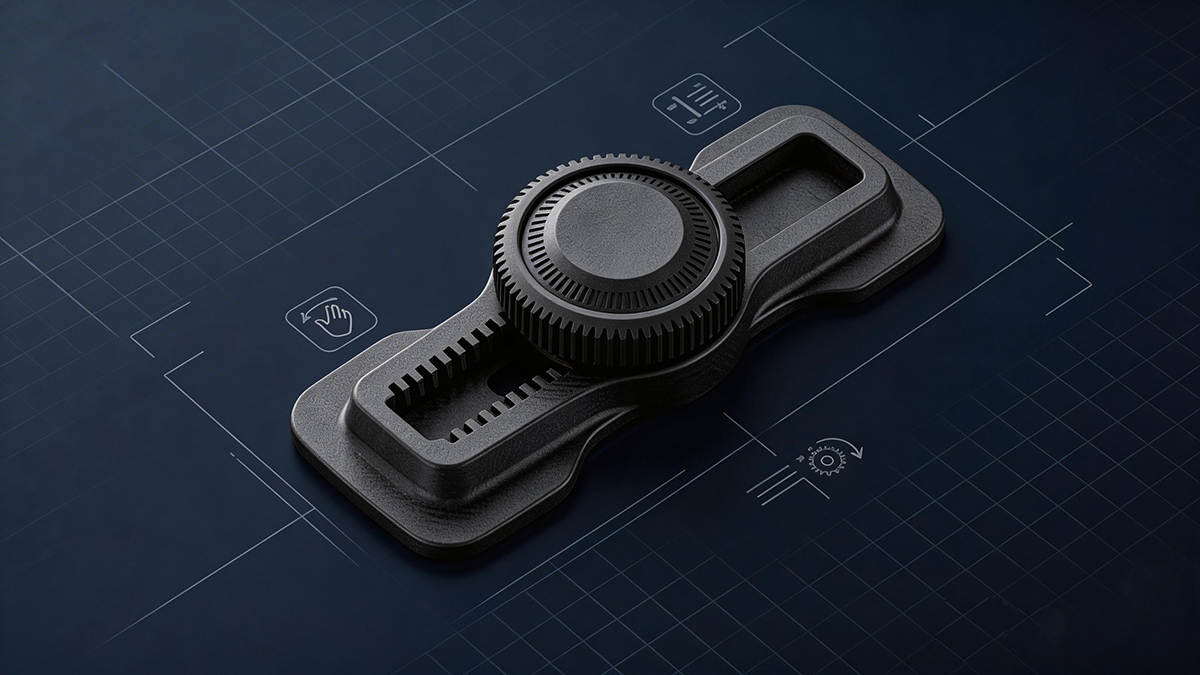
2. Custom Adjustment Dial Components:
The adjustment dial and mounting base on the back of the helmet were also printed using PLA CF. These parts need to withstand frequent rotational stresses and fine-tuning during cycling. PLA CF's high hardness and toughness ensure the adjustment mechanism remains tight and functional without slipping or losing grip over time. The ease of assembly allows production line workers to quickly snap the parts into place, improving production efficiency.
During the season, the helmet design often needs to be quickly modified based on wind tunnel data and rider feedback. This means that parts must be reprinted and tested in a very short period of time. If a rider requests a change in adjustment feel after a weekend race, NextShapes can deliver the modified PLA CF parts by the following Friday, complete the assembly, and ship them to the next event.
NextShapes currently serves clients in industries such as new energy, electric vehicles, and home appliance manufacturing, as well as providing support to small and medium-sized enterprises seeking customized designs and business expansion. In addition to PLA CF, their high-transparency 3D resins, ABS-like high-toughness resins, and other 3D printing materials are widely used in the development of outdoor equipment parts like bikes, computer mounts, water bottle holders, and cycling shoe clips.
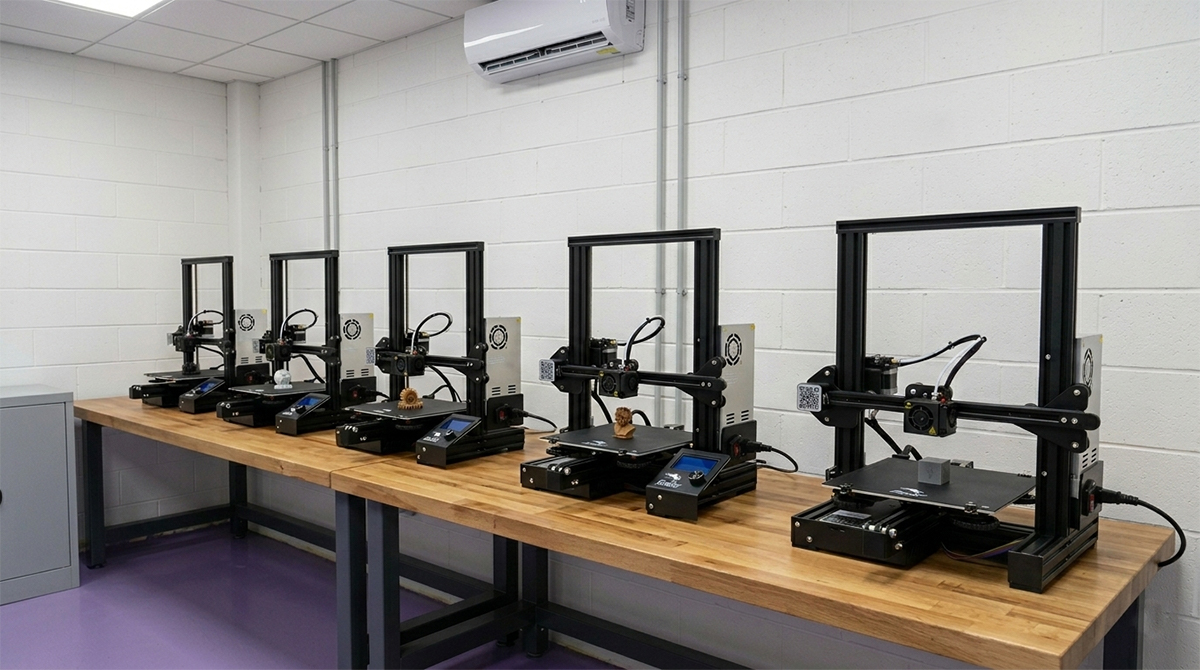
“As a materials solutions provider, our goal is to enable more manufacturers to experience the transformative power of high-performance 3D printing materials at a very low threshold,” said the Product Manager of NextShapes. “The launch of PLA CF continues our technological accumulation in high-transparency and ABS-like high-toughness materials. We are pleased to see domestic outdoor brands quickly adopting this technology and winning market recognition with lighter, stiffer, and more aesthetically pleasing gear.”
PLA CF: A High-Performance Carbon Fiber Material Compatible with Mainstream FDM 3D Printers
NextShapes PLA CF filament uses a 15% carbon fiber reinforcement formula to significantly enhance part rigidity and bending modulus while maintaining the easy printability of PLA. It is compatible with most FDM 3D printers on the market and does not require a hardened nozzle to print (although using a hardened steel nozzle is recommended for longer durability), allowing even regular desktop-level equipment to produce engineering-grade parts. The high-quality matte finish, zero-warp dimensional stability, and ease of post-processing are helping more outdoor equipment brands achieve a "design to prototype" rapid iteration cycle with 3D printing.