



How PETG HF Helps "Speed Prototype Studio" Achieve Enhanced 3D Printing Productivity
 2026.01.08
  NextShapes,PETG HF,3D Printing
  <1 minute


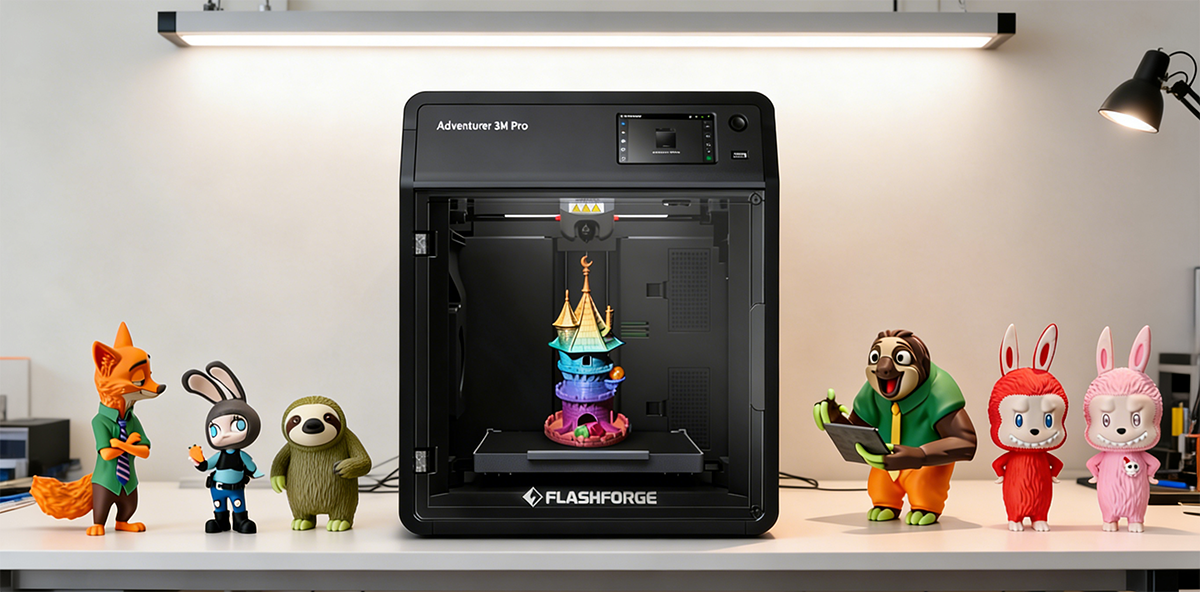
As the number of client projects continues to increase and delivery timelines become tighter, the studio faces a pressing challenge: How to significantly improve 3D printing efficiency while maintaining the strength and surface quality of prototypes? Their existing 3D print materials, such as 3D resin and other filaments, often resulted in insufficient layer adhesion, loss of detail, and component brittleness when trying to speed up production. This became a bottleneck in their business growth.
While searching for a balance between "quality" and "speed," the team discovered NextShapes' high-performance material – PETG filament for 3D printing, specifically optimized for high-speed 3D printing. The product claims to offer high flowability, high toughness, and excellent interlayer bonding strength, which immediately caught the attention of the technical director. The studio decided to test it on their busiest FDM 3D printing machine, aiming to unlock the potential of their current machine without having to invest in new equipment.
The test results exceeded the team's expectations. PETG filament for 3D printing brought three key benefits that directly addressed their main challenges:
- 1.Significant Efficiency Boost to Meet Fast Delivery Demands: With its excellent flowability, PETG filament for 3D printing allowed the printer to operate at 50% faster speeds than before while remaining stable. Complex functional prototypes that previously required an overnight 3D print could now be completed in half the time, enabling a "design today, validate today" workflow. This directly helped the studio take on more urgent projects, significantly increasing throughput.
- 2.Tough and Reliable Prototypes for Improved Verification: The material’s outstanding toughness and interlayer adhesion strength meant that the printed prototypes were no longer just "display models." Instead, they became "functional prototypes" capable of being assembled, tested, and even withstanding certain impacts. Clients could immediately perform structural evaluations and partial functional tests, reducing the risk of later revisions and adding more value to the service.
- 3.Broad Compatibility and Excellent Surface Quality, Lowering the Learning Curve: PETG filament for 3D printing’s excellent compatibility with most FDM 3D printing machines meant that the studio didn’t need to make complex adjustments or invest in new equipment. Additionally, its smooth surface finish and dimensional stability reduced post-printing sanding and finishing time. The prototypes could be used directly for internal reviews or client presentations, further compressing the overall project timeline.
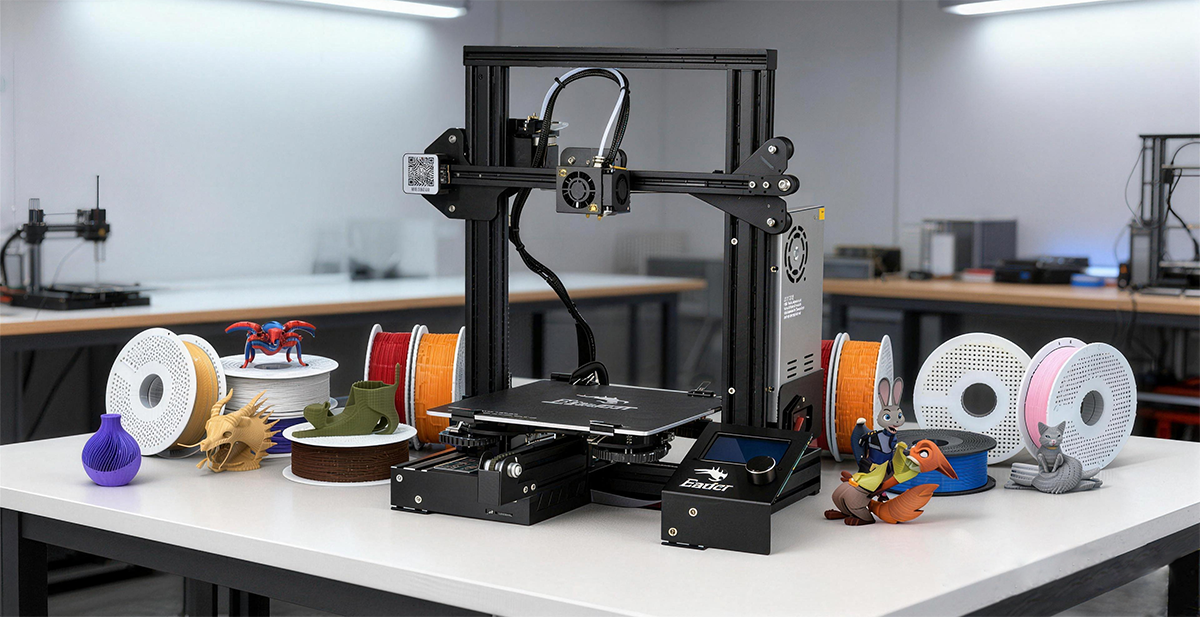
“Our reputation depends on time, and the quality of our prototypes reflects our professionalism,” said the studio’s Technical Director. “PETG filament for 3D printing is more than just an upgrade to consumables; it’s like a ‘productivity multiplier.’ It allows us to push the limits of our existing equipment without increasing costs, and it solidified our focus on fast, high-quality prototype development.”
Currently, the studio has adopted PETG filament for 3D printing across all its 3D printing devices for rapid prototyping, custom design parts, and educational demonstration models, among other applications. They are now planning to explore deeper collaboration with NextShapes to unlock even more possibilities for high-speed manufacturing applications.
At NextShapes, we are committed to unleashing the potential of every creator and 3D printing device through innovative materials science. The launch of PETG filament for 3D printing high-toughness, high-speed 3D printing filament is designed to help users like “Speed Prototype Studio” achieve efficiency without sacrificing quality, bringing ideas to life faster and more reliably. We look forward to redefining the productivity boundaries of desktop FDM 3D printing with more industry partners.