



How High-Precision 3D Printing Materials Are Reshaping Shoe Mold Development
 2026.01.07
  NextShapes,Precision Model,3D Printing
  <1 minute


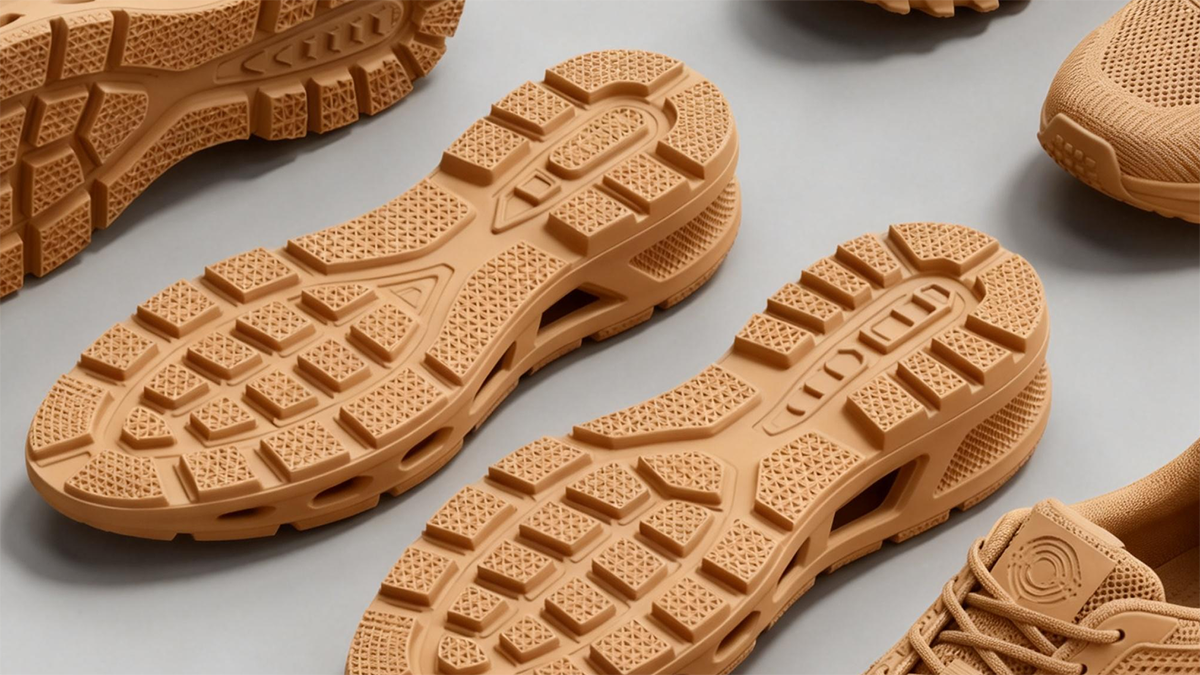
In today's fast-evolving footwear industry, the speed and precision of mold development directly impact a brand's market responsiveness. In recent years, a 3D printing material specifically optimized for the mold industry—Nextshapes' Precision Model (355 nm SLA specialty 3D resin)—has been gradually transforming traditional shoe mold development processes. This coffee-colored resin, known for its excellent dimensional stability and detail reproduction capabilities, offers new solutions for mold design and trial production.
Industry practices indicate that when introducing 3D printing technology, shoe mold manufacturers are most concerned about whether the material can meet the professional requirements of mold production. Transitioning from traditional CNC machining to digital processes makes material selection particularly critical. According to practical application feedback, Precision Model enables the direct use of 3D printed molds for product validation, with its dimensional stability helping to reduce post-mold adjustments and accelerating the transition from design to trial production.
Based on continuously accumulated application data, this 3D resin has now formed a comprehensive solution tailored to shoe mold manufacturing scenarios.
How does the Precision Model function in shoe mold manufacturing? Industry application experience can be summarized into three core aspects:
As a Tool for Design Validation and Process Optimization
Process Improvements in Mold Manufacturing Brought by Precision Model
Industry Application Prospects Driven by Material Innovation
As a Tool for Design Validation and Process Optimization: Shortening Decision Cycles
In practical application scenarios, this specialized 3D resin is primarily deployed in the early stages of shoe mold development. The material is widely regarded as a bridge connecting design and manufacturing within 3D print workflows, providing high-precision physical references early in projects and helping stakeholders quickly evaluate the rationality of mold structures.

During 3D printing shoe mold development, complex surfaces, textures, and functional structures often require multiple iterations. The introduction of the Precision Model enables rapid iteration cycles between digital files and physical models. Practical feedback shows that mold prototypes made with this material through SLA 3D printing technology can clearly reproduce key details such as sole pattern depth and sidewall curvature. Design and engineering teams can discuss based on the same physical model, which helps identify potential demolding issues or structural defects in advance.
Notably, the material's demonstrated dimensional stability allows it to withstand certain levels of actual testing. Application cases indicate that some manufacturers have used molds made with Precision Model via 3D printing for preliminary trial production validation. Under conditions simulating actual production environments, the material's key dimensions remain relatively stable, providing valuable reference data for evaluating mold feasibility.

Printing High-Precision Shoe Mold Prototypes: The Applied Value of Precision Model

In traditional shoe mold manufacturing, processing complex textures and fine structures often requires multiple steps. 3D printing shoe molds with intricate patterns, small brand logos, and other detailed features places high demands on machining precision.

Read More >
Precision Model offers a new approach to meeting such requirements through advanced 3D printing. Test data show that this 3D resin can effectively reproduce fine features on shoe molds. Practical observations indicate that it can render delicate surface textures, including complex leather grains and mesh structures, when utilized in SLA 3D printing technology. This capability provides more possibilities for developing shoe molds with intricate surface effects.
Dimensional stability is a key factor driving interest in this material for 3D print applications. For mold applications, controlling shrinkage and deformation is essential to ensuring final product precision. Laboratory tests demonstrate that the Precision Model performs well in controlling linear shrinkage rates. Through optimized 3D printing and post-processing techniques, shoe mold prototypes made with this material maintain good stability in critical dimensions, supporting the accuracy of mold design.
This characteristic has yielded observable benefits in practical applications. Collected cases show that some manufacturers use mold prototypes made with Precision Model for early validation when developing new 3D printing shoe styles. By identifying and correcting design issues before investing in steel mold processing, the time and cost of the entire development process can potentially be optimized. This "early discovery, early adjustment" workflow in 3D printing is being considered by a growing number of shoe mold manufacturers.
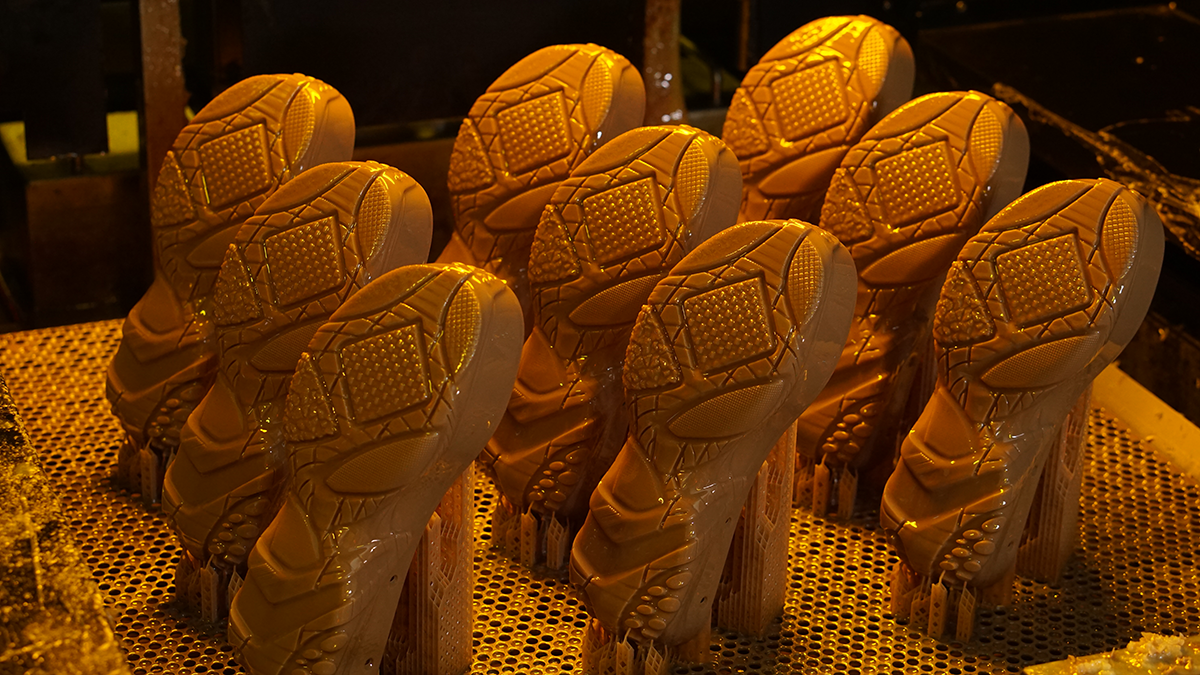
Additionally, the material's process compatibility is noteworthy. Application feedback suggests that Precision Model integrates well with mainstream SLA 3D printing technology equipment. Its natural coffee-colored finish facilitates inspection of mold surface conditions, and support removal is relatively straightforward in the 3D print process, reducing post-processing difficulty.
High-Precision Materials Driving Shoe Mold Industry Application Prospects
In the competitive landscape of footwear manufacturing, improving efficiency in mold development holds significant importance. The application of high-precision 3D printing materials like Precision Model offers manufacturers more flexible tooling options.
From a sustainability perspective, reducing resource consumption during trial and error is a common goal in manufacturing. Practical observations indicate that early validation using high-precision 3D printed molds may help reduce material waste in subsequent processing stages. Introducing digital validation phases into mold development through 3D printing supports manufacturers in achieving design goals with fewer physical iterations, aligning with industry development trends.
The potential for distributed manufacturing also warrants discussion. As 3D printing material performance improves and processes standardize, geographical constraints in mold development are evolving. Industry observations reveal that some footwear companies are beginning to explore deploying rapid mold-making capabilities across different regions using 3D printing technology.
Based on relatively unified material standards and process parameters, it is becoming increasingly feasible for brands to obtain consistently high-quality mold prototypes across various locations through 3D printing.
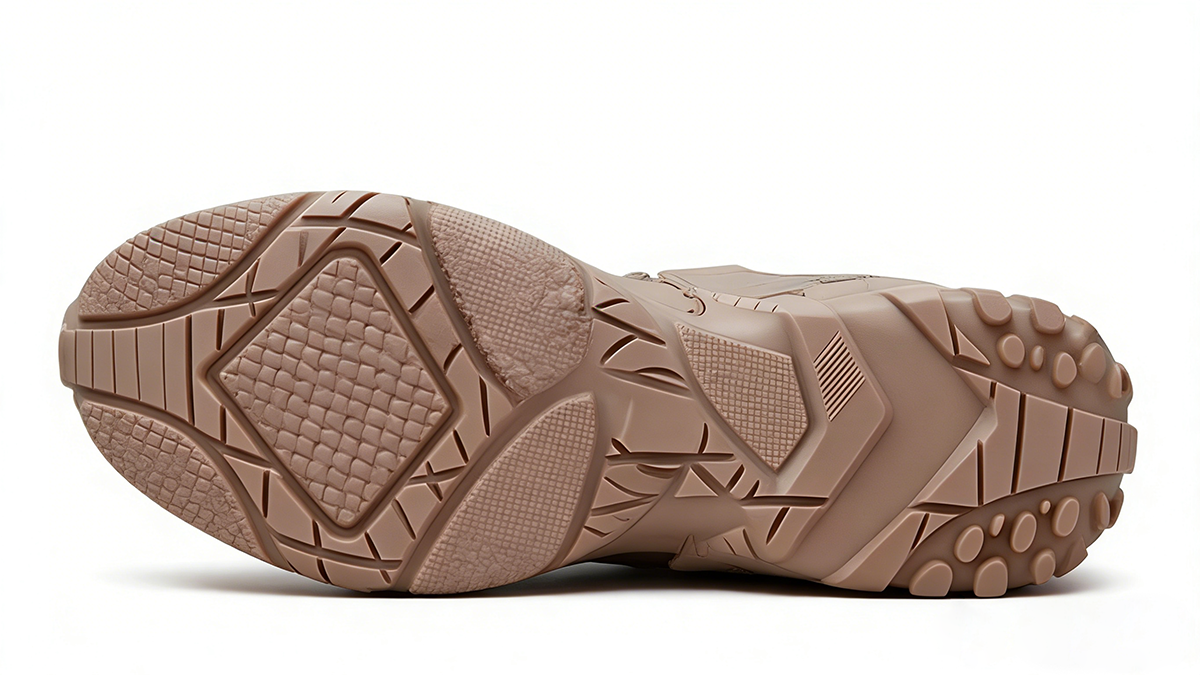
Application scenarios for the Precision Model continue to be explored. Ongoing industry collaborations indicate that this 3D resin's potential in shoe mold manufacturing is still expanding. From basic prototype validation to functional testing and small-batch trial production, the material's performance in SLA 3D printing technology is gradually broadening its application within mold development workflows. As the 3D printing material system further improves and application experience accumulates, the value of 3D printing technology in 3D printing shoe mold manufacturing is expected to be more fully realized.
In this progression, focusing on 3D resin performance optimization and scenario-based application expansion—through continuous interaction with industry practices—collectively advances the digital development of mold manufacturing processes. When high-precision 3D printing materials integrate with professional manufacturing expertise through SLA 3D printing technology, the efficiency boundaries of 3D printing shoe mold development may welcome new possibilities.