



How Precision ABS Enables Agile Functional Part Development with Green Toughness
 2025.12.16
  NextShapes,Precision ABS,3D Printing
  <1 minute


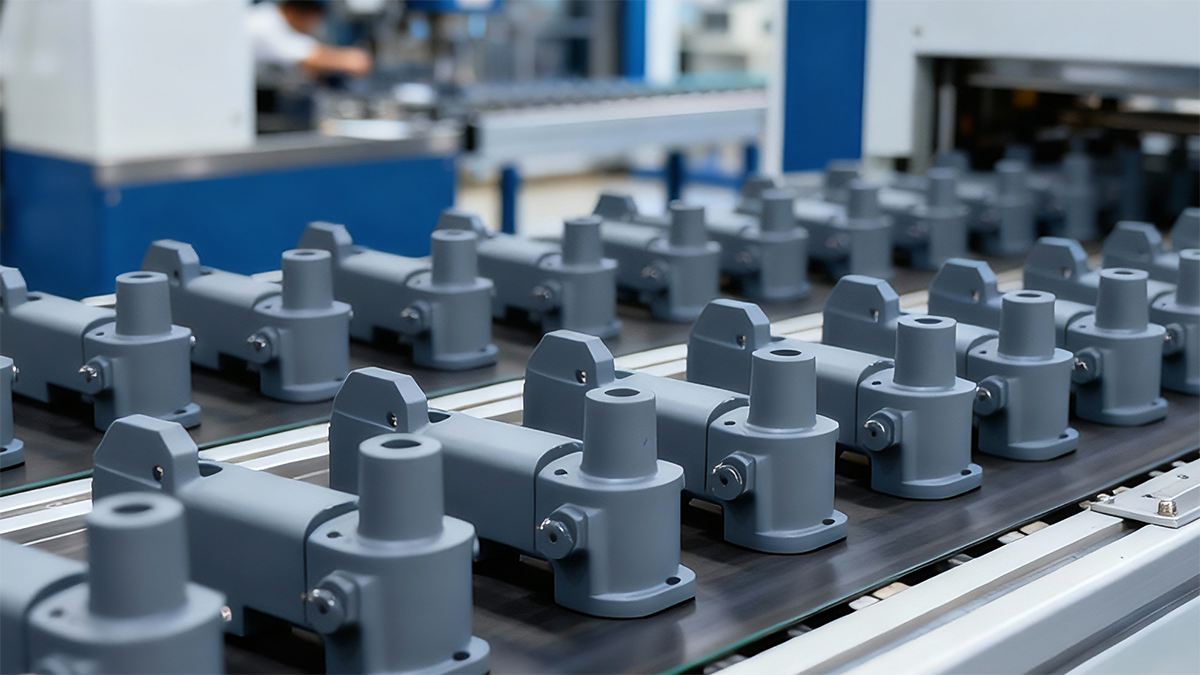
In today's global manufacturing landscape, where precision and sustainability are paramount, a leading precision manufacturing enterprise is quietly revolutionizing its product development process. Embracing a philosophy of "continuous optimization and rapid validation," they have extended this ethos from mass production into forward-looking R&D. Facing stringent demands for mechanical performance, dimensional stability, and fast turnaround in functional prototypes and small-batch end-use parts, the company has pioneered an agile path powered by high-performance 3D printing materials.
Their solution was Nextshapes' 355 nm SLA 3D printing material—Precision ABS, a gray engineering resin that delivers performance akin to traditional ABS engineering plastics, with added benefits in sustainability and processability. "We needed a perfect balance between functional reliability and development speed. Precision ABS provided that possibility," said David Chen, the company's Design Director.
Identifying the Pain Points in Traditional Functional Validation
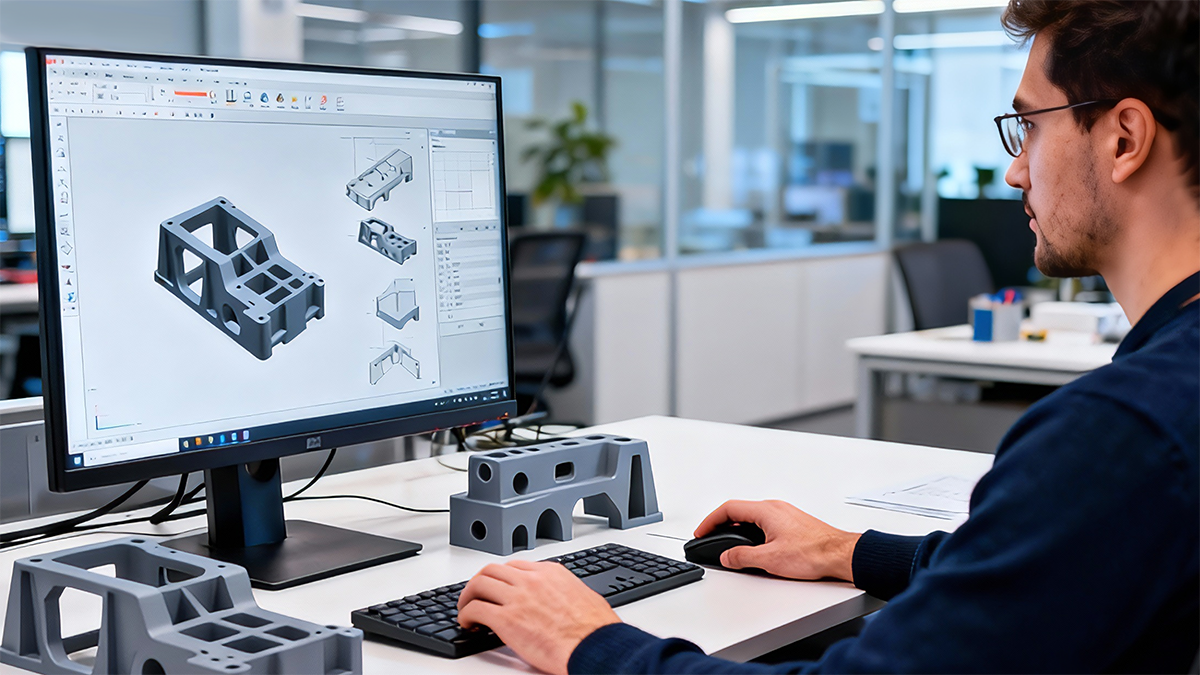
In sectors like consumer electronics, automotive components, and industrial equipment, functional validation before tooling is critical. Traditional approaches either rely on standard resins with inadequate performance, leading to skewed test results, or outsource small-batch injection molding, which entails high costs and long lead times.
The toughness and dimensional stability of materials become particularly problematic for parts that require assembly, bear mechanical stress, or operate in complex environments. Many resins become brittle in low temperatures or deform under stress or chemical exposure, preventing prototypes from accurately simulating final product performance. This often leads to late-stage discovery of design flaws and significant waste.
The company realized that to break this cycle, an upgrade at the validation stage was essential. They needed a material capable of direct use in serious functional testing and even suitable for small-batch end-use manufacturing.
How an SLA Material Became the "Functional Hero"
Conventional wisdom holds that SLA 3D printing excels at smooth surfaces and intricate details but falls short in engineering mechanical properties. The advent of Precision ABS has challenged this notion entirely.
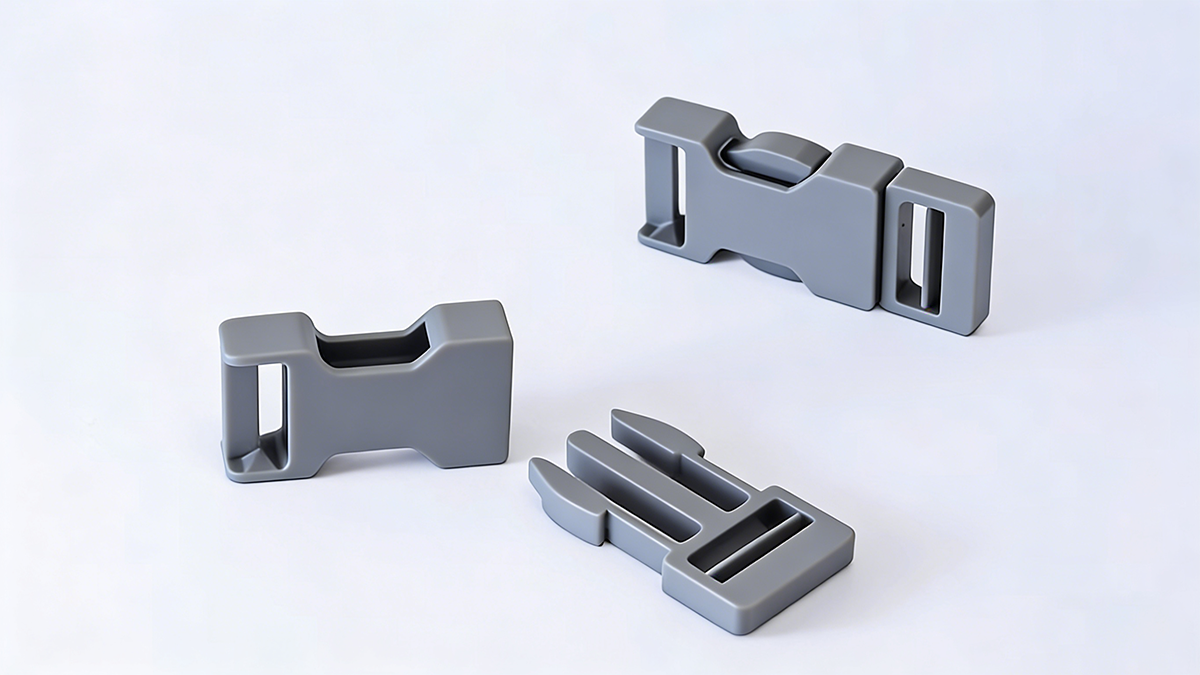
The company's R&D team knew that for true functional validation, a material needed comprehensive performance comparable to ABS engineering plastic. After adopting Precision ABS, they established an efficient "design-print-test" closed-loop workflow. Once an engineer finalizes a part design, a high-strength, rigid prototype can be printed immediately with Precision ABS, without any waiting.
"What impressed us most was its low-temperature toughness," Chen noted during material testing. "Even in simulated freezing conditions, the parts showed no signs of brittle fracture, which greatly boosted our confidence in product reliability in real-world environments." This exceptional toughness, combined with inherent dimensional stability, allows printed parts with holes or bosses to undergo secondary processes like drilling and tapping, enabling real screw fastening and assembly. This achieves "functional equivalence" between prototype and final product.

Read More >

Read More >
Seamless Transition from Validation to Small-Batch Production

Precision ABS delivers more than just performance enhancement; it simplifies the supply chain model. With this on-demand printing capability, the company can transform digital models directly into functional prototypes, completely avoiding the exorbitant cost and weeks-long lead time associated with creating molds for single prototypes.
The advantages of Precision ABS were fully leveraged in developing a smart home controller housing. The housing required integrated bosses to secure a circuit board and needed to withstand the mechanical stress of daily port plugging/unplugging. The team printed the housing prototype directly with Precision ABS, successfully performing self-tapping screw assembly and repeated plug tests, validating the structural design and material choice in one go.

Due to excellent test results and the near-end-use appearance and performance of the Precision ABS parts, the company decided to use this material for the first 500 units of pre-sale products. "With precise print parameter control and post-processing, we achieved part surface quality and strength that fully met the needs of our initial users," Chen explained. This "prototype-as-product" transition significantly shortened time-to-market and allowed for zero-tooling-cost market exploration.

Read More >
Read More >
Advancing Toward a Green and Agile Future of Manufacturing
The company and its R&D team are committed to extending this agile, high-performance material-based development model to more product lines. By utilizing green materials like Precision ABS—which are easy to clean and post-process while offering outstanding performance—they have built a responsive, low-waste, flexible manufacturing process.
"Precision ABS is more than just a material; it represents a development philosophy: obtaining the most authentic product feedback in the shortest time, in the most sustainable way," Chen concluded. "It frees us from dependency on traditional tooling, allowing innovative ideas to transform seamlessly into testable, usable physical entities. This is precisely the speed modern manufacturing demands."
By adopting Nextshapes' Precision ABS material, the company has not only ensured product functional reliability but also practiced green manufacturing at the source, providing a practical pathway for the digital transformation and sustainable development of advanced manufacturing.